|
|||||
Patients from Asia, Africa, Australia , Europe and Middle East
can get surgery done in Dubai UAE. Patients from North & South America can continue coming to our office in Houston TX. |
|||||
Click on the map to enter the website |
|||||
HOUSTON CENTER |
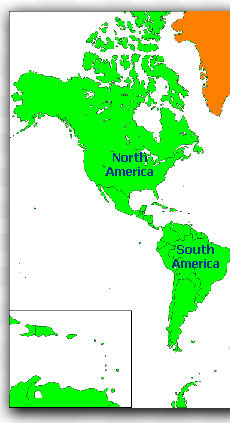 |
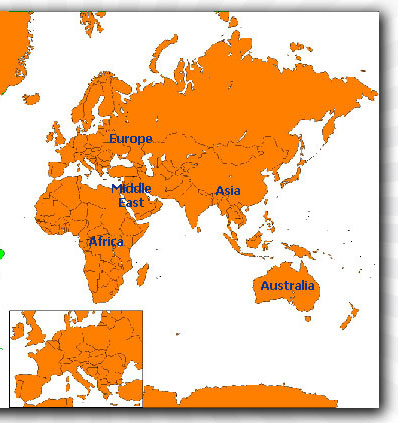 |
DUBAI |
||
CLICK HERE TO LIVE CHAT!
|
|
|||||||||||||||||||||||||||||||||||||





















|


|
ALL INFORMATION IS PROVIDED AS A PUBLIC SERVICE AND NEITHER GUARANTEE NOR WARRANTY IS EXPRESSED OR IMPLIED.
|
This website is intended as an informational resource only for families and patients suffering from peripheral nerve injuries. No attempt to provide specific medical advice is intended. It is not intended to infer that surgery is always the best choice for a particular nerve injury. You should always contact a specialist directly for diagnosis and treatment of your specific problem, and a second opinion is always a good idea. |
|
|